Quick picks
Four sensible starting points
Start with your stove and the amount of coffee you actually drink. Then add a grinder only if inconsistent grounds are the problem. Check the selected model, capacity, seller and availability before ordering.
Smaller daily brew
Bialetti Moka Express, 3 Cup
Best for: One small strong coffee; gas, electric or ceramic stove
Check on Amazon (paid link)Larger shared brew
Bialetti Moka Express, 6 Cup
Best for: Two or more small servings; non-induction stoves
Check on Amazon (paid link)Induction-friendly option
Bialetti Venus, 6 Cup
Best for: Induction kitchens; larger daily brews
Check on Amazon (paid link)Consistency upgrade
TIMEMORE Chestnut C3
Best for: Fresh grinding, small kitchens, repeatable recipes
Check on Amazon (paid link)| Pick | Role | Best for |
|---|---|---|
| Bialetti Moka Express, 3 Cup | Smaller daily brew | One small strong coffee; gas, electric or ceramic stove |
| Bialetti Moka Express, 6 Cup | Larger shared brew | Two or more small servings; non-induction stoves |
| Bialetti Venus, 6 Cup | Induction-friendly option | Induction kitchens; larger daily brews |
| TIMEMORE Chestnut C3 | Consistency upgrade | Fresh grinding, small kitchens, repeatable recipes |
Good moka coffee needs four simple things: water below the safety valve, a loosely filled coffee basket, gentle heat and a timely finish. It is concentrated coffee, but it is not machine espresso—a moka pot is a compact, repeatable way to brew a bold cup without a countertop machine.
Before brewing, check that the pot is clean and fully assembled, the gasket is intact and the safety valve is unobstructed. Use coffee ground for moka preparation: neither powder-fine espresso coffee nor coarse French-press grounds. Never leave the pot unattended on the stove.
How to make moka pot coffee in five steps
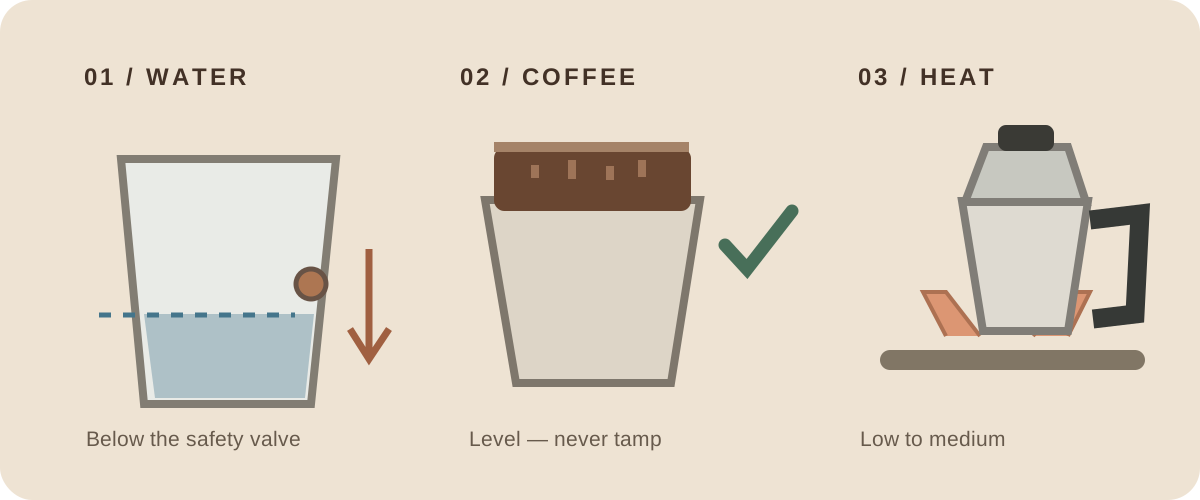
Fill the base
Add fresh drinking water until it sits just below the safety valve. Never cover or tamper with the valve.
Level the grounds
Fill the filter basket loosely with coffee ground for moka. Level the top gently and do not tamp.
Secure the pot
Wipe stray grounds from the rim, seat the funnel properly and screw the upper chamber on securely.
Heat gently
Use low to medium heat. On a gas hob, keep the flame beneath the base rather than around the sides.
Stop and pour
Remove the pot from the heat when brewing is complete and do not let the coffee continue boiling. Let the pot cool before opening.
The grind is the quiet hero
Start at a medium-fine setting intended for moka brewing. Grinder numbers vary, so use the cup as feedback: a very slow, harsh or muddy brew may need a slightly coarser grind; a thin, flat cup may need a slightly finer one. Change only one small step at a time and never compensate by tamping the basket.
A medium roast is a useful first experiment for moka’s concentrated cup. If a dark roast tastes ashy or harsh, try a medium roast before changing every other variable. Fresher coffee and a repeatable grind usually matter more than decorative accessories.
When the coffee tastes wrong
Bitter or burnt: lower the heat first and remove the pot promptly. If the finish remains harsh, try a slightly coarser grind or a lighter roast.
Weak or watery: make sure the basket is evenly filled without tamping, use fresher coffee and move a little finer if the flow suggests under-extraction.
Early sputtering: reduce the heat. After the pot has cooled, inspect the gasket, filter and assembly if the flow remains irregular.
Steam or leaks at the seam: remove the pot from heat and let it cool completely. Check the gasket and clean grounds from the rim. Do not force a hot pot open or continue using damaged equipment.
Choose by stove and real serving size
Moka ‘cups’ are small coffee servings, not full mugs. A representative three-cup Moka Express yields about 130 mL, while a six-cup model yields about 250 mL. Actual output varies by model and preparation, so compare the listed capacity with the drink you make every morning.
The classic aluminum Moka Express is not for direct induction use. For an induction kitchen, choose a compatible stainless-steel model such as the appropriate Bialetti Venus and confirm both the selected pot size and your cooktop’s minimum detected base diameter.
Buy less, brew better
An adjustable burr grinder is the most useful upgrade when inconsistent grind is the recurring problem. The compact TIMEMORE Chestnut C3 is one manual option; the exact current model should be checked before ordering.
A small kitchen scale can make dose comparisons easier, but any accurate, easy-to-clean scale you already own may be enough. You do not need an espresso-specific scale simply to complete the look.
Choose the pot that fits the routine
These are starting points, not a requirement to replace gear you already own. Check the current listing, dimensions, compatibility and seller details before purchasing.
Smaller daily brew
Bialetti Moka Express, 3 Cup
A compact aluminum classic for one person who prefers a short, bold morning coffee. It is not intended for direct induction use.
Best for: One small strong coffee; gas, electric or ceramic stove
Larger shared brew
Bialetti Moka Express, 6 Cup
The familiar Moka Express silhouette with more output for sharing or for a longer drink finished with milk or hot water.
Best for: Two or more small servings; non-induction stoves
Induction-friendly option
Bialetti Venus, 6 Cup
A stainless-steel alternative sold in induction-compatible variants. Confirm the exact selected model and your hob’s minimum pan diameter.
Best for: Induction kitchens; larger daily brews
Consistency upgrade
TIMEMORE Chestnut C3
A compact adjustable manual burr grinder for repeating a moka-suitable grind without giving permanent counter space to another appliance.
Best for: Fresh grinding, small kitchens, repeatable recipes
Not sure?
Find your moka fit.
Choose your stove and everyday routine. This gives you a practical starting point—not a universal best pick.
Your starting pick: Bialetti Moka Express, 3 Cup
Compare on Amazon (paid link)Dial in flavor
Small changes worth recording
- Change only one variable between brews so the result remains useful.
- Write down the roast, grind setting and stove setting that produced the best cup.
- Keep the pot, grinder and one cup visible; store backup coffee and cleaning parts away from heat.
Safety before speed
The four mistakes to avoid
- Covering the safety valve with water.
- Tamping coffee into the filter basket.
- Using high heat or leaving the pot boiling after the brew finishes.
- Opening the pot while it is hot or under pressure.
Good questions
What people usually ask
Is moka pot coffee the same as espresso?
No. A moka pot makes concentrated, full-bodied stovetop coffee, but it does not use the pressure of a typical espresso machine. Drink it in a small cup or add hot water or milk.
What grind size works best?
Start with a medium-fine grind intended for moka preparation. Settings differ by grinder and bean, so adjust one small step at a time. Do not tamp the basket.
Is three-cup really three full cups?
No. Moka cup sizes refer to small coffee servings. A representative three-cup Moka Express yields around 130 mL and a six-cup model around 250 mL; check the selected model.
Can I use a classic Moka Express on induction?
Not directly. The classic aluminum Moka Express is not induction-compatible. Choose a compatible stainless-steel variant and verify your cooktop’s minimum pan diameter.
Do I tamp coffee into a moka pot basket?
No. Fill the funnel loosely and level the grounds. Tamping can interfere with proper flow.
How should I clean the pot?
Let it cool completely, disassemble it and rinse and dry each part according to the model instructions. Bialetti advises hand-washing the classic Moka Express and periodically checking the gasket and safety valve.
Save this list
Your safe-brew check
- Inspect the gasket and valve
- Fill water below the valve
- Level grounds without tamping
- Use low to medium heat
- Remove promptly and cool before opening
Fact-check notes
Technical details in this guide were checked against these first-party references.
Explore the idea